
Quality Assurance Laboratory
Quick Links
Overview
Authorized by Senate Bill 813, the Oklahoma Medical Marijuana Authority’s Quality Assurance Laboratory (QA Lab) integrates advanced testing capabilities directly into Oklahoma’s medical marijuana regulatory framework.
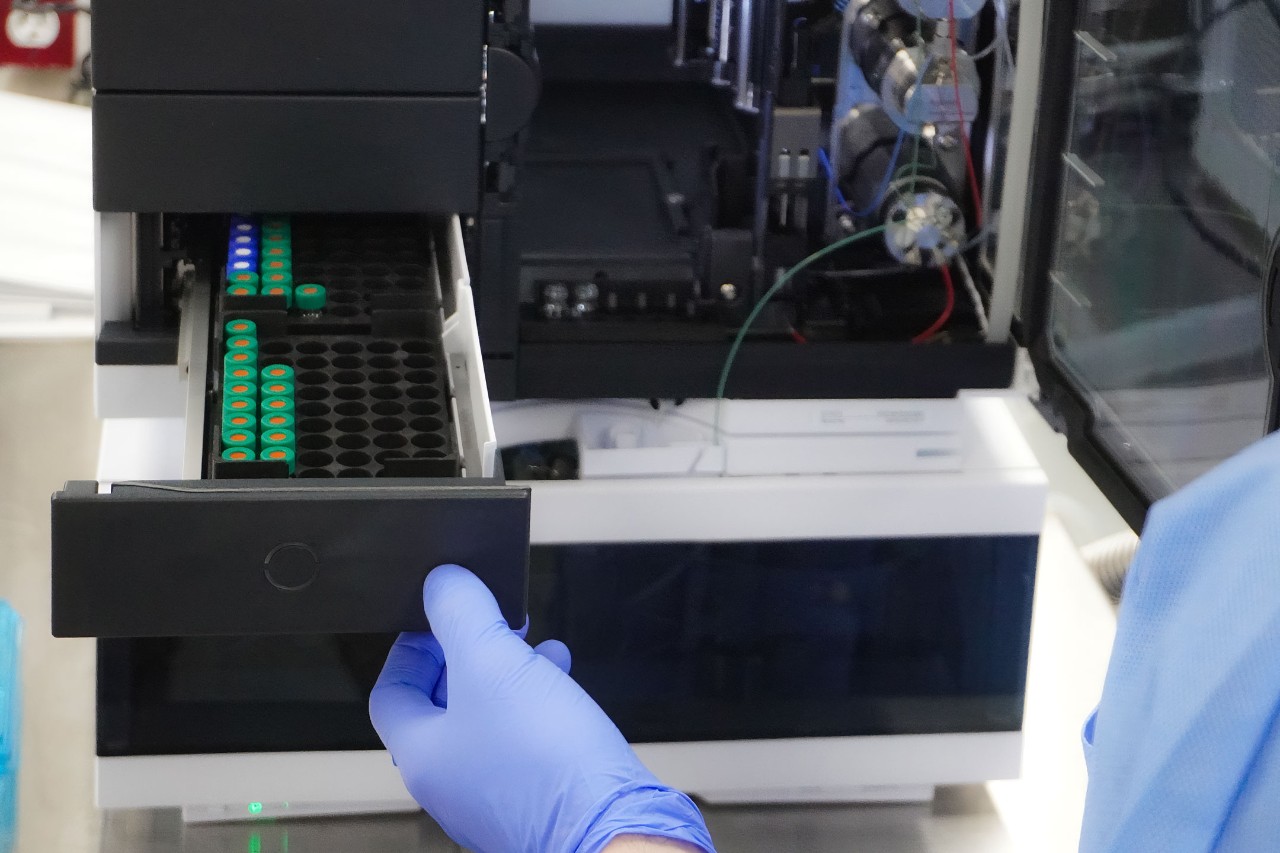
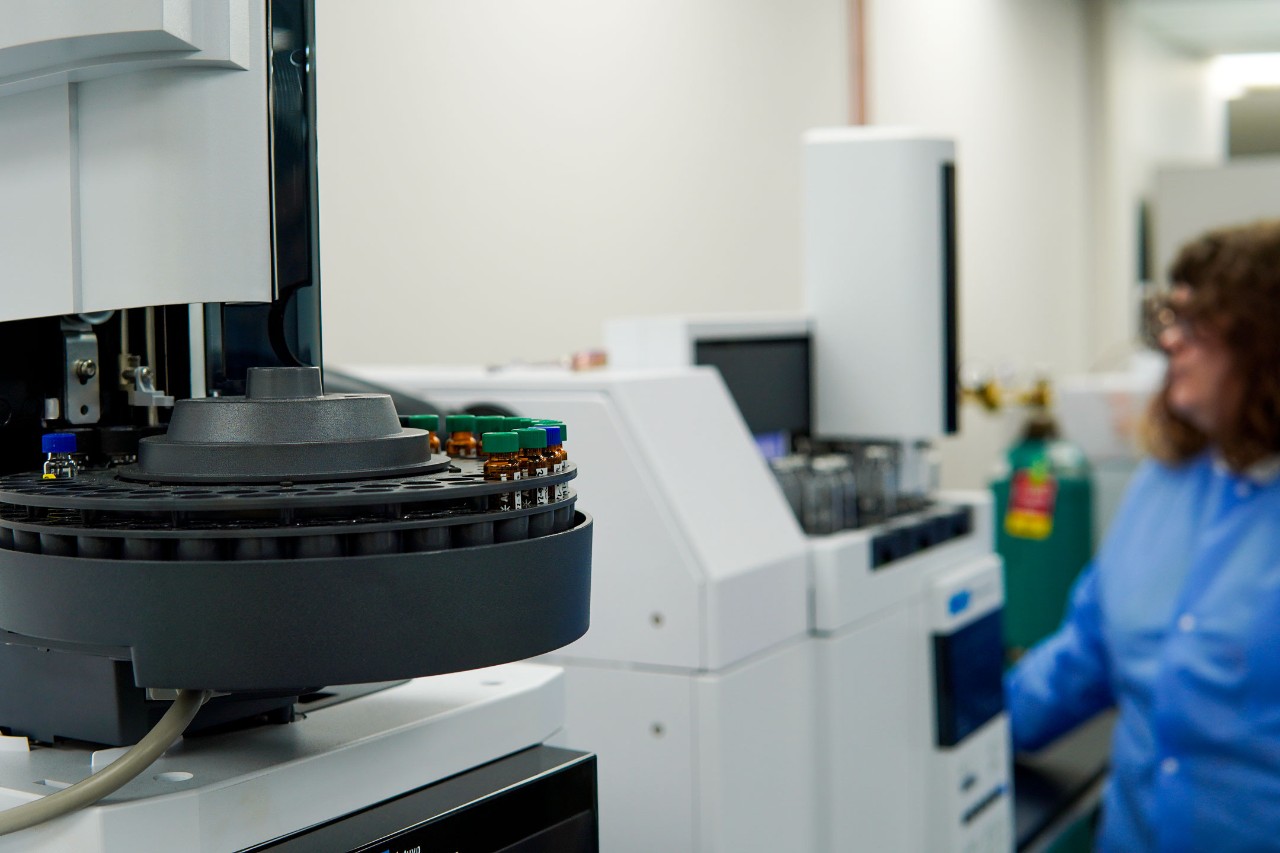
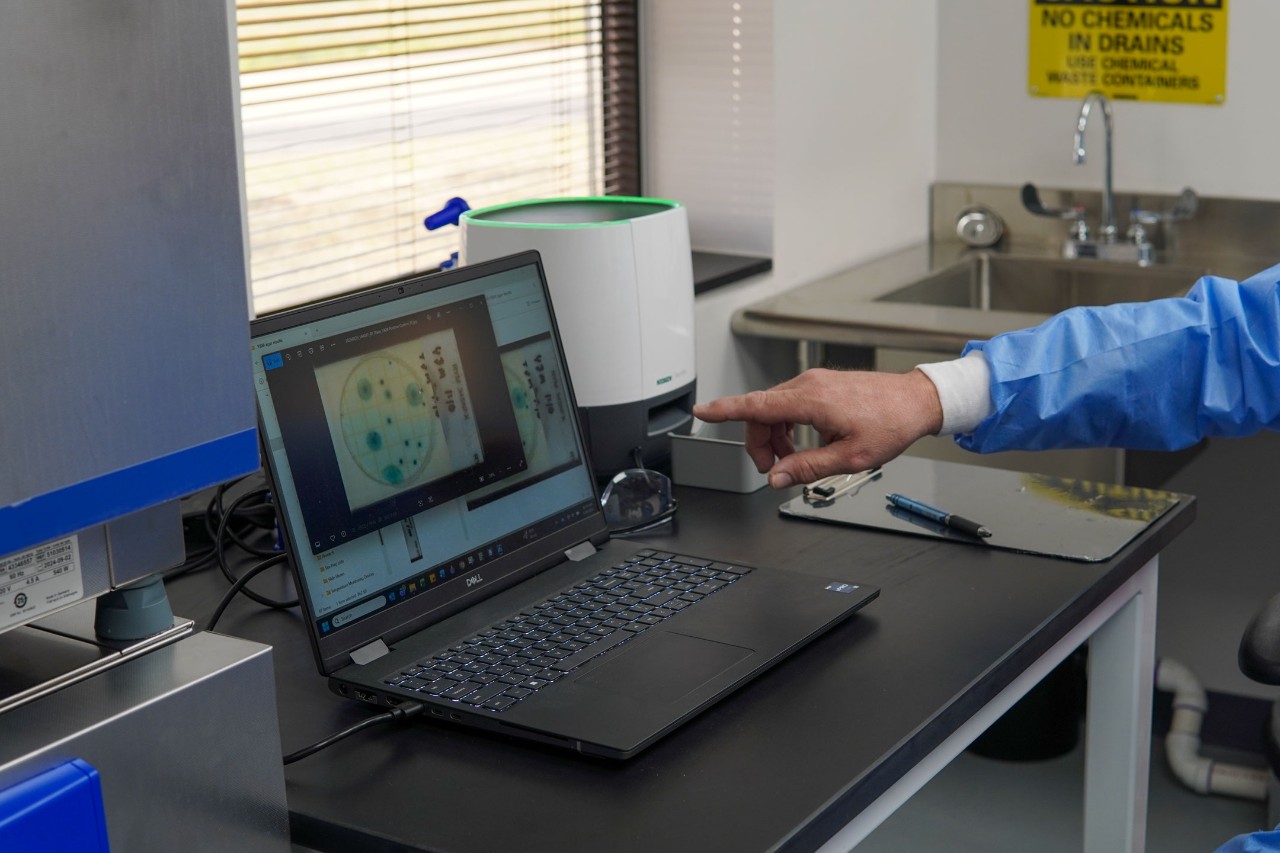
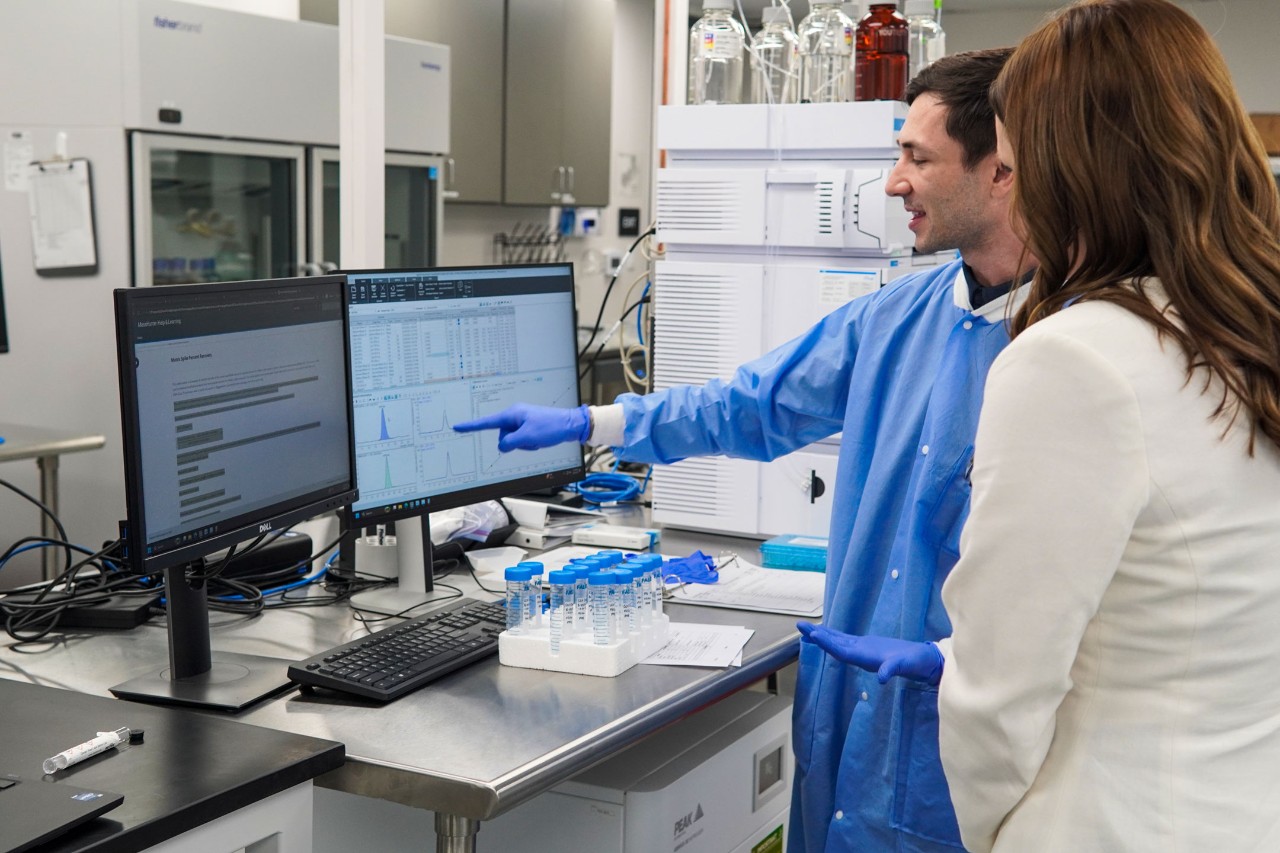
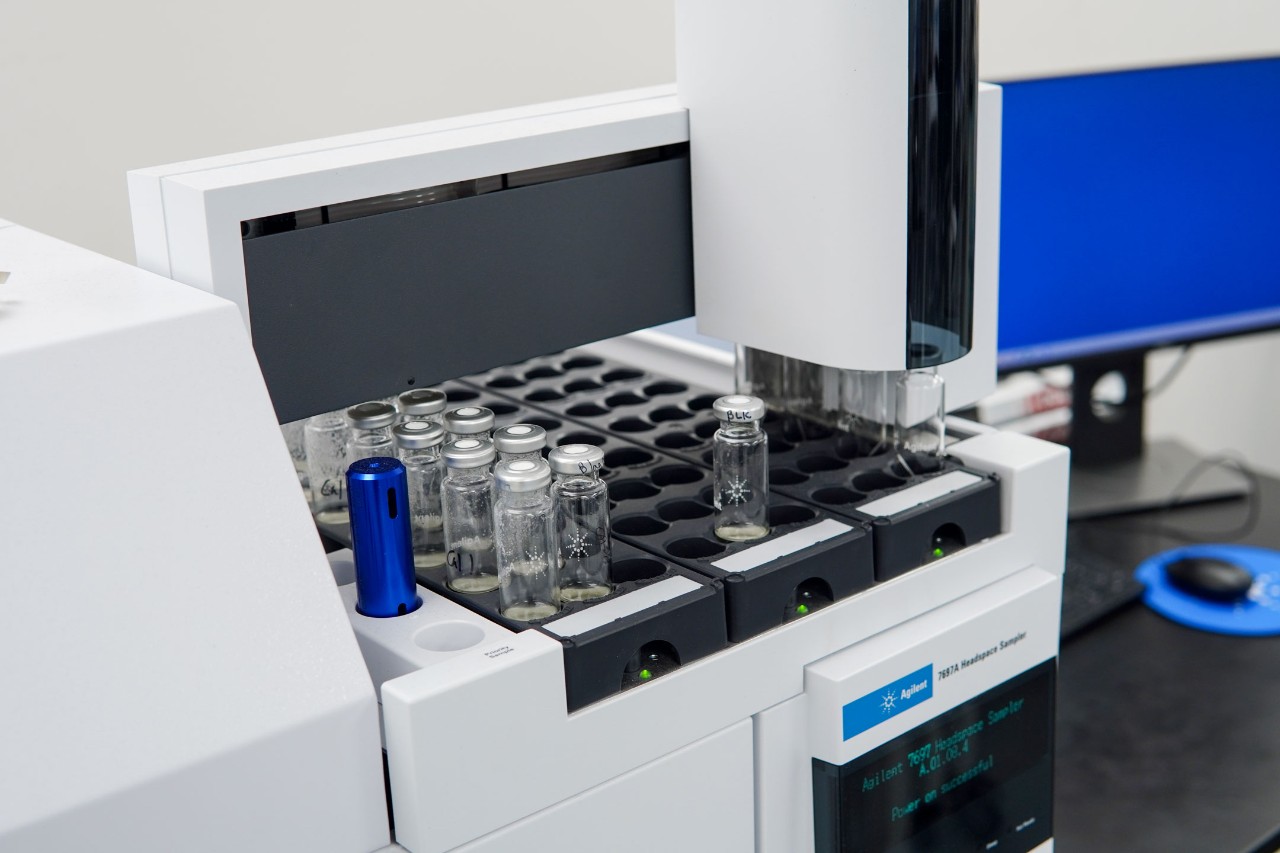
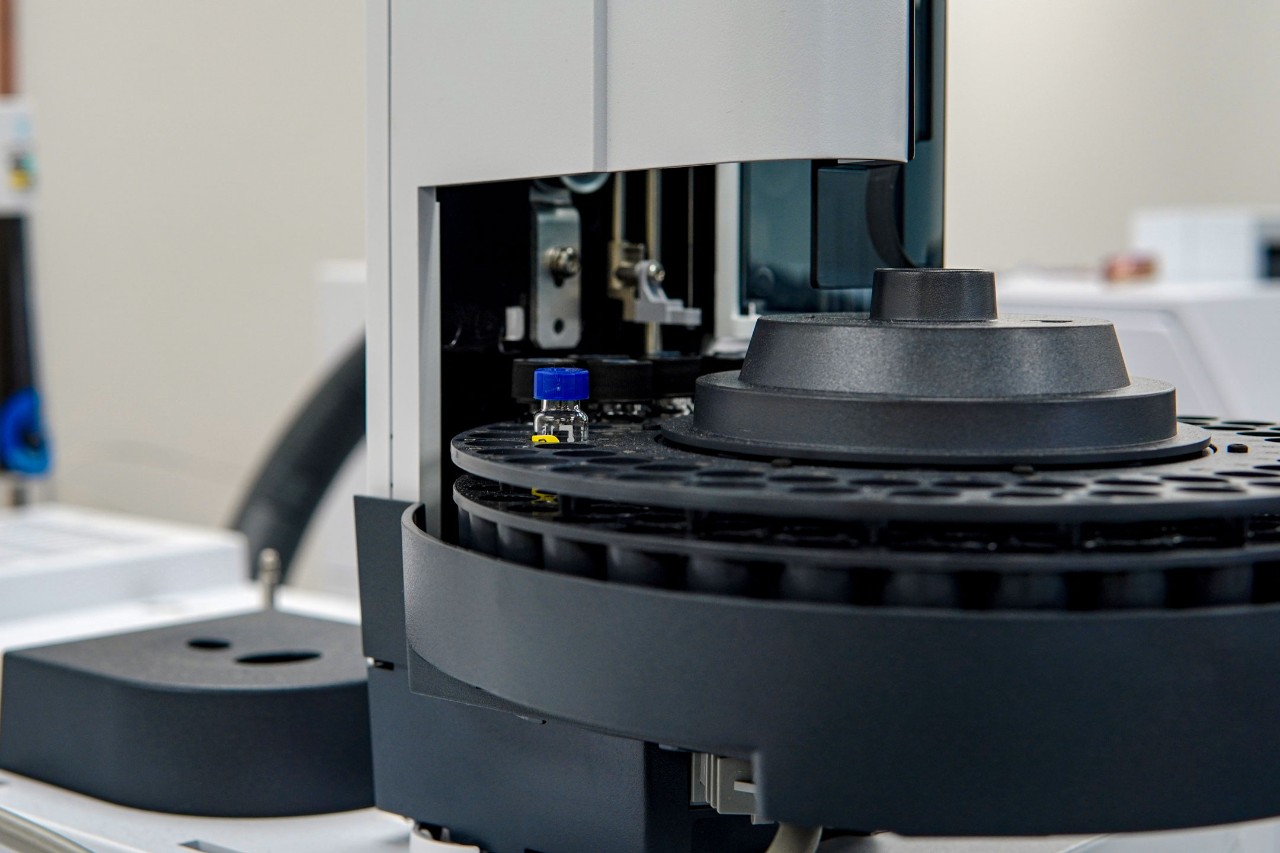
The QA Lab’s instrumentation can test for microbial contaminants, mycotoxins, residual solvents, heavy metals, pesticides, cannabinoids, terpenes, filth and foreign material, water activity and moisture content in medical marijuana products.
Through robust quality assurance structures, the QA Lab is designed to strengthen regulatory oversight, increase transparency and support patient safety across the state’s medical marijuana market.
Round-robin testing: This will include selecting and testing samples across multiple laboratories to ensure reported values are reproducible and accurately represent the product sold to patients.
Parallel testing: OMMA will directly evaluate products at the QA Lab that have been reported via OMMA complaints or targeted concerns.
Proficiency testing: This will allow OMMA to verify that licensed laboratories are utilizing appropriate, accurate and consistent testing methodologies.
These analyses will assess industry testing methods and detect variances among licensed laboratories. OMMA will review the findings and share them with legislators for informed regulatory and policy decisions and driving continuous improvement in statewide product safety.
Latest Updates (June 2026)
All instrumentation has been installed and is fully operational. Accreditation has been received for pesticides in flower, and potency in flower, oil and concentrates. The lab continues method development and validation for the following processes:
- Terpenes, water activity and filth and foreign material (projected for completion in August).
- Heavy metals, microbials, mycotoxins and residual solvents (projected for completion in September).
Accreditations

The lab’s current and pending accreditations are from the American National Standards Institute’s (ANSI) National Accreditation Board (ANAB). The organization develops voluntary consensus standards in multiple industries including cannabis and provides accreditation to ISO Standard 17025, focused on cannabis testing laboratories.
The QA Lab underwent an initial ISO/IEC 17025 accreditation audit in July 2025. The lab’s quality management system, standard operating procedures and analytical methods were reviewed as part of the audit process. In October 2025, the lab received a Certificate of Accreditation from the ANSI-ANAB.
In December 2025, an accreditation expansion to include pesticide testing and potency testing for oils and concentrates was pursued. The updated accreditation scope was received in March of 2026.
The initial accreditation process included cannabinoid testing in plant material and moisture content. OMMA pursued a staged accreditation approach to scale up operations thoroughly over time, rather than delaying progress until all analytical methods were fully validated. Expansion of the laboratory’s accredited scope will continue as additional methods complete validation and proficiency testing.
Current and pending accreditations:
| ✓ | Potency in flower | Fully accredited. |
| ✓ | Pesticides in flower | |
| ✓ | Potency in oil and concentrates | |
| ▢ | Water activity | Method development and validation complete; proficiency testing underway. |
| ▢ | Filth and Foreign materials | |
| ▢ | Terpenes | |
| ▢ | Mycotoxins | |
| ▢ | Heavy metals | Pending completion. |
| ▢ | Residual solvents | |
| ▢ | Microbials |
Once the QA Lab has completed ISO 17025 accreditation, the lab will work toward ISO 17043 accreditation, routinely updating this webpage with the latest progress.
Operations and Equipment
| Instrument | Agilent Name | Test(s) Performed |
|---|---|---|
| HPLC | Agilent 1260 | Potency |
| LCMSMS | Agilent 1260 & 6475 | Pesticides |
| GCMSMS | Agilent 5977 & 7010 | Pesticides |
| GCMS | Agilent 5977 | Terpenes/Residual Solvents |
| ICPMS | Agilent 7850 | Heavy Metals |
| qPCR | AriaMX | Microbial |
Between March and May 2025, ancillary laboratory equipment, including refrigeration units, freezers, hoods, centrifuges and environmental monitoring systems were installed.
On July 18, validation of cannabinoid testing and moisture content was completed, followed by successful proficiency testing. Soon after, additional analytical platforms were installed to support expanded testing capabilities, including systems for pesticide analysis, heavy metals detection, residual solvents, terpene profiling, and microbiological contaminants.
Around the same time, validation was completed for pesticides in flower, additional cannabinoid testing in concentrates, and filth and foreign material, positioning the lab for continued expansion of its testing scope.
Secret Shopper Program
Passed in 2022, HB 3971 established a new layer of regulatory oversight by authorizing secret shoppers to purchase medical marijuana from licensed dispensaries. Undercover purchases conducted by secret shoppers are intended to evaluate the accuracy of product labeling and testing. Samples from these operations are then routed to multiple quality assurance laboratories – which may include OMMA’s QA Lab – for compliance testing.
With HB 3971 came annual inspection quotas, which have been successfully met or exceeded by OMMA’s Office of Investigations and Enforcement (OIE):
2024 initial target: In the first year, OIE was required to inspect a minimum of 50 dispensaries. The team surpassed requirements, conducting operations at 52 dispensaries.
2025 and beyond: Beginning in 2025, OIE is required to inspect a minimum of 10% of randomly selected dispensaries annually. OIE successfully met the 10% benchmark for 2025.
The establishment of the QA Lab (authorized in 2023) introduces new independent testing capability, which will reduce reliance on third-party data and increase efficiency in detecting improper practices, reporting errors and product safety risks. Findings from the QA Lab’s analyses will continue to strengthen OMMA’s oversight of licensed laboratories and will support the agency’s secret shopper operations along with other enforcement-related activities.
OIE will be able to leverage this data to identify potential discrepancies or compliance concerns related to products that have entered the regulated marketplace. Because continuous improvement is a top priority in this ever-changing industry, the QA Lab and OIE will maintain close collaboration to refine testing compliance and strengthen regulatory oversight.
Background and Timeline
In June 2023, the Oklahoma Legislature passed Senate Bill 813, authorizing OMMA to develop and operate its own lab after the cancellation of the contract with private testing lab, Metis. The bill was followed by the passage of Senate Bill 1125 in May 2024, which appropriated supplemental funding in earnest for startup costs associated with the lab.
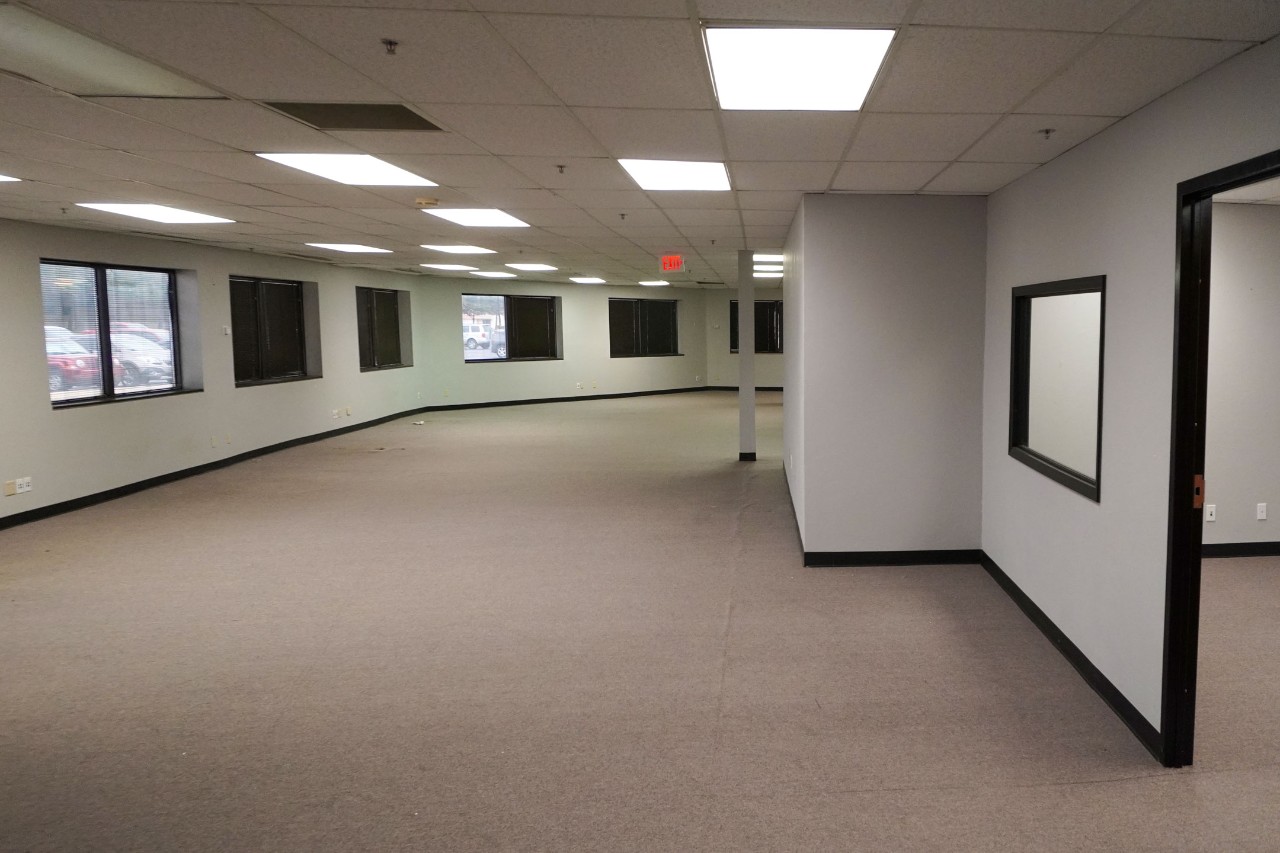
After initial authorization in 2023, the agency spent nearly 18 months securing the lab’s physical location, hiring qualified professionals, purchasing equipment, building technology infrastructure and initiating accreditation processes.
Throughout the buildout phase, OMMA worked alongside teams at the Office of Management and Enterprise Services (OMES) to conduct state procurement processes. The OMES Real Estate and Leasing Services team identified the QA Lab site and developed the lease agreement.
In November 2024, construction began on the selected space that would soon house the lab and team members. By April 2025, just five months later, the lab team moved in and hit the ground running.
Since then, the team has worked relentlessly to create and refine processes and fulfill requirements necessary for national accreditation.
Cost Breakdown
QA Lab Investment
| Legislative Appropriation | |
|---|---|
| Startup Costs | $3,500,000 |
| Recurring Annual Operating and Personnel Expenses | $1,400,000 |
| Total Appropriation | $4,900,000 |
| Approximate Startup Fund Utilization | |
|---|---|
| Testing Instruments | ($1,130,000) |
| Ancillary Equipment, Technology Infrastructure and Furniture | ($710,000) |
| Lease and Construction *To be paid out over a five-year period. | ($940,000) |
| Supplies and Accreditation Costs | ($720,000) |
Return on Investment
While the QA Lab buildout required an upfront investment of time and money, the cost savings and efficiency yielded year over year will reduce long-term spend and result in a safer, standardized regulatory environment for Oklahoma’s medical marijuana industry.
Additionally, as the marijuana landscape continues to evolve federally, Oklahoma’s QA Lab will be positioned as a regional testing hub if future opportunities for interstate commerce arise, setting the standard for marijuana testing in the southern United States.
QA Lab Timeline


Photo Gallery
- October 2024
- January 2025
- April 2025
- March 2026




- October 2024 - 01
- October 2024 - 02
- October 2024 - 03
- October 2024 - 04
- October 2024 - 05
- October 2024 - 06


- January 2025 - 01
- January 2025 - 02
- January 2025 - 03
- January 2025 - 04


- April 2025 - 01
- April 2025 - 02
- April 2025 - 03
- April 2025 - 04



- March 2026 - 01
- March 2026 - 02
- March 2026 - 03
- March 2026 - 04
- March 2026 - 05
- March 2026 - 06
- March 2026 - 07
- March 2026 - 08
- March 2026 - 09
- March 2026 - 10
Meet the Team
 Meet the team: (from left to right) Bobby G., Chief Science Officer; Apryl W., Quality Assurance Specialist II; Phillip B., QA Laboratory Analyst II; Nita S., Quality Assurance Manager; Bryan N., QA Laboratory Analyst II; Kendra W., QA Laboratory Analyst II; Cortney C., Medical QA Laboratory Director; Shannon T., QA Laboratory Analyst II.
- Oklahoma Voice - December 2, 2024: State-run medical marijuana test lab set to open in Oklahoma City in early 2025
- Oklahoma Medical Marijuana Authority - May 6, 2025: OMMA QA Lab Update
- The Oklahoman - January 23, 2025: Oklahoma Medical Marijuana Authority to build new licensing, inspection software
- Jasper Analytical Lab - April 7, 2026: OMMA's Reference Lab and Secret Shopper Program: The End of Potency Inflation in Oklahoma