
Swallows & Phoebes
Barn Swallow
Seasonal Restriction Dates:
- May 1 - August 31
Restriction Notes:
- Construction restricted if nests present; install netting prior to restrict access.

Adult and Fledglings
Photo Credit: James R. Soto
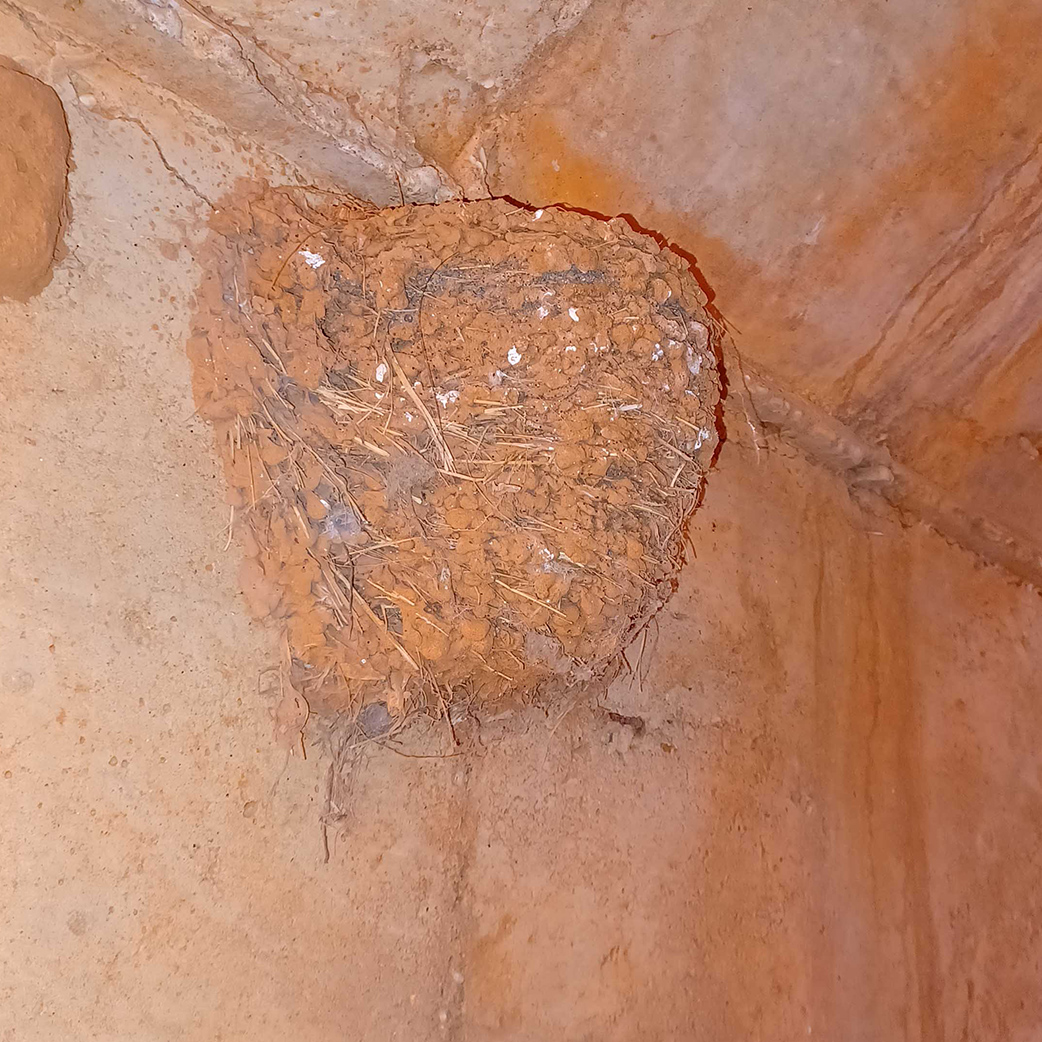
Nest
Photo Credit: James R. Soto

Nestlings
Photo Credit: James R. Soto
Identification tips from the All About Birds identification website:
The Barn Swallow (Hirundo rustica) is the most widespread and abundant swallow in the world, recognizable by its long, deeply forked tail and dark blue upperparts. Different subspecies groups vary in size, throat and underpart color, and length of tail streamers.
Natural Habitat:
Cliff and canyon walls, caves.
Man-made Nesting Habitat:
House/barn eaves, bridges, culverts near water/mud.

Cliff Swallow
Seasonal Restriction Dates:
- May 1 - August 31
Restriction Notes:
- Construction restricted if nests present; install netting prior to restrict access.

Adult
Photo Credit: USFWS
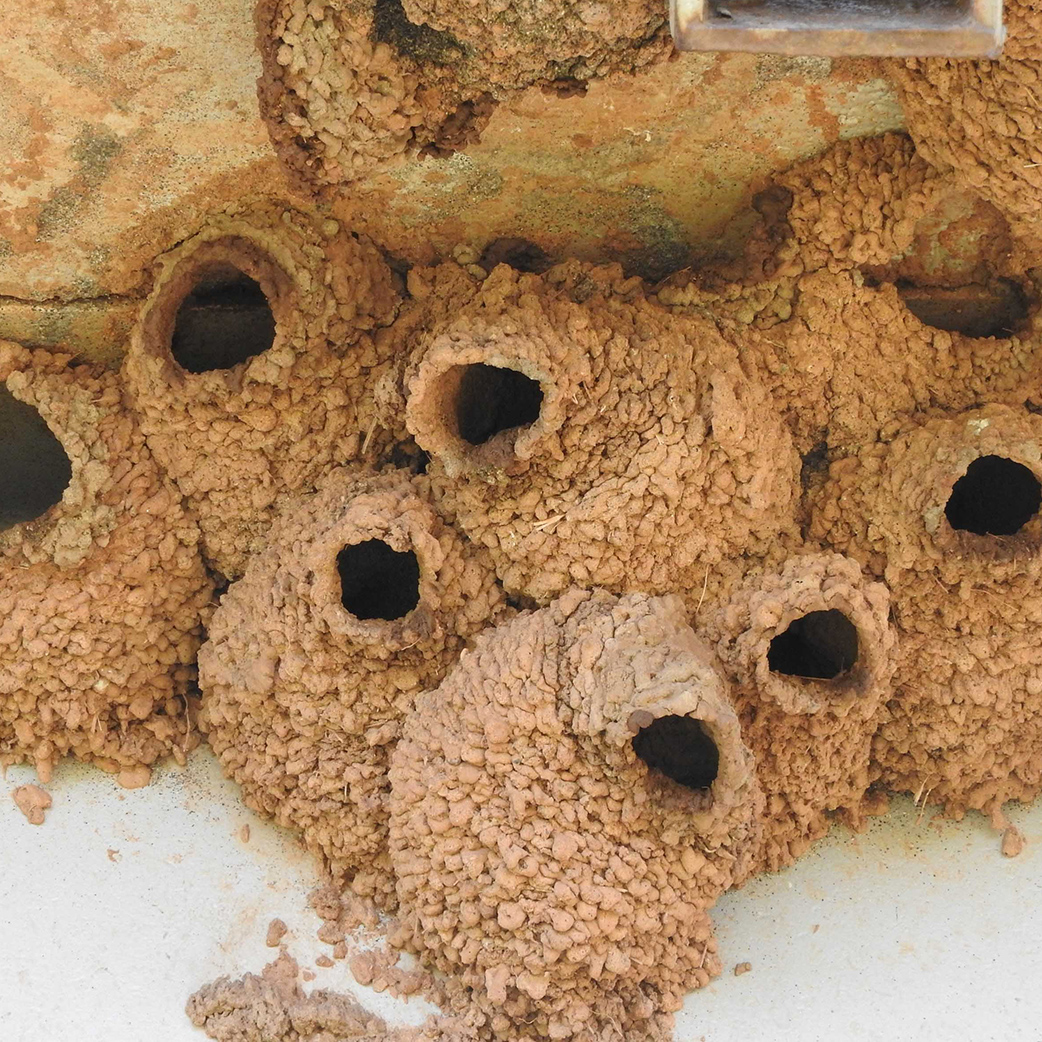
Nests
Photo Credit: James R. Soto

Adults in nests
Photo Credit: James R. Soto
Identification tips from the All About Birds identification website:
The Cliff Swallow (Petrochelidon pyrrhonata) is a compact swallow with pointed, broad pointed wings, a small head, and a squared tail. In good light, adults have metallic, dark-blue backs and pale, cinnamon rumps. Their face is rusty with a white forehead.
Natural Habitat:
Cliff and canyon walls, caves.
Man-made Nesting Habitat:
House/barn eaves, bridges, culverts near water/mud.

Eastern Phoebe
Seasonal Restriction Dates:
- May 1 - August 31
Restriction Notes:
- Construction restricted if nests present; install netting prior to restrict access.
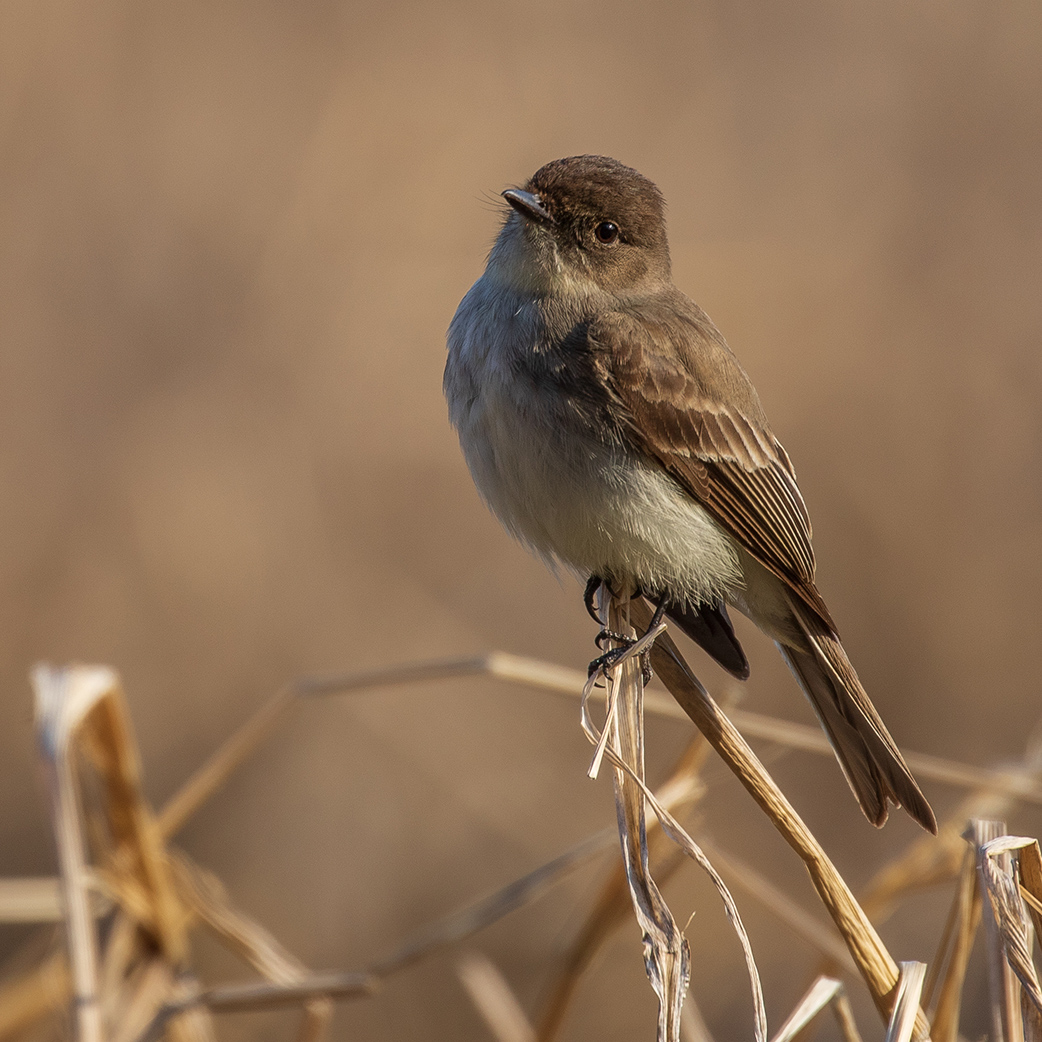
Adult
Photo Credit: USFWS

Nest with eggs
Photo Credit: James R. Soto

Nestlings
Photo Credit: James R. Soto
Identification tips from the All About Birds identification website:
The Eastern Phoebe (Sayornis phoebe) is a plump songbird with a large head that often looks peaked. Grayish brown above with a darker head and whitish below.
Natural Habitat:
Trees, cliff and canyon walls, caves
Man-made Nesting Habitat:
House/barn eaves, bridges, culverts near water/mud.