
Select varieties of nut and seed butters are now available as substitutions instead of peanut butter or beans. To opt into this substitution, participants who would like an alternate nut or seed butter (i.e. almond butter, sunflower seed butter, etc) will need to contact their WIC clinic.
WIC Foods

Oklahoma WIC offers supplemental food packages to help participants meet their nutritional needs. New food package changes are coming in early 2026. Changes will be made to benefit packages on a rolling basis beginning in January, and all WIC participants will be receiving updated benefit packages by April at the latest. Keep reading for more information, contact your clinic with questions, and remember to check your benefit balance before shopping!
*You can check your benefit balance on the WIC Shopper App, on wicconnect.com, by calling (866) 562-2702 or by requesting a printed balance inquiry from the cashier at a WIC-approved store.
WIC Approved Foods
- Find WIC Approved Foods.
- You can also contact your clinic or call us at (888) 655-2942 with additional questions.
- Updates to WIC food items will occur over the next several months (see WIC Food Package Updates section below). These materials will be updated as products are added.
Looking for a WIC Approved store near you? We have over 400 WIC Approved vendors in the state of Oklahoma. Click below to find the most convenient vendor for you and your family!
WIC Food Package Updates (effective January 2026)
Fruits and Vegetables
- Infants 6-12 months have more options for fruits and vegetables.
- The default infant package contains infant fruits and vegetables (jars) beginning with the 6 month benefit period. Families can choose to substitute some or all of their infant fruits and vegetables (jars) with a cash value benefit for fresh, frozen, or canned fruits and vegetables after speaking with their clinic to discuss the option that is best for their baby.
Food Amounts Beginning at 6 Month Benefit Period
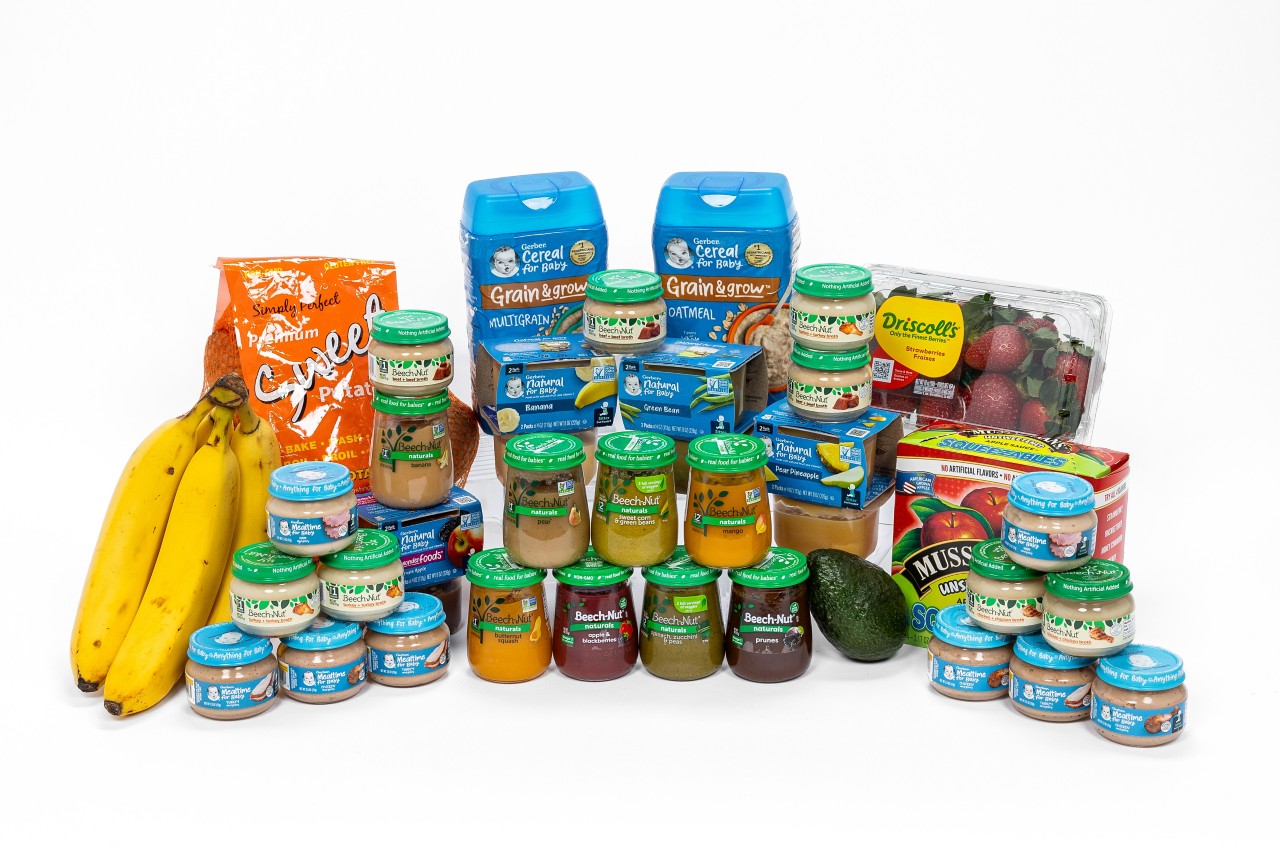
Fully Breastfed Infants
- 40 ounces infant meat
- 16 ounces infant cereal
- Fruits and Vegetables: either (1) 128 oz infant fruits and vegetables (jars), (2) 64 oz infant fruits and vegetables + $11 cash value benefit*, or (3) $22 cash value benefit*
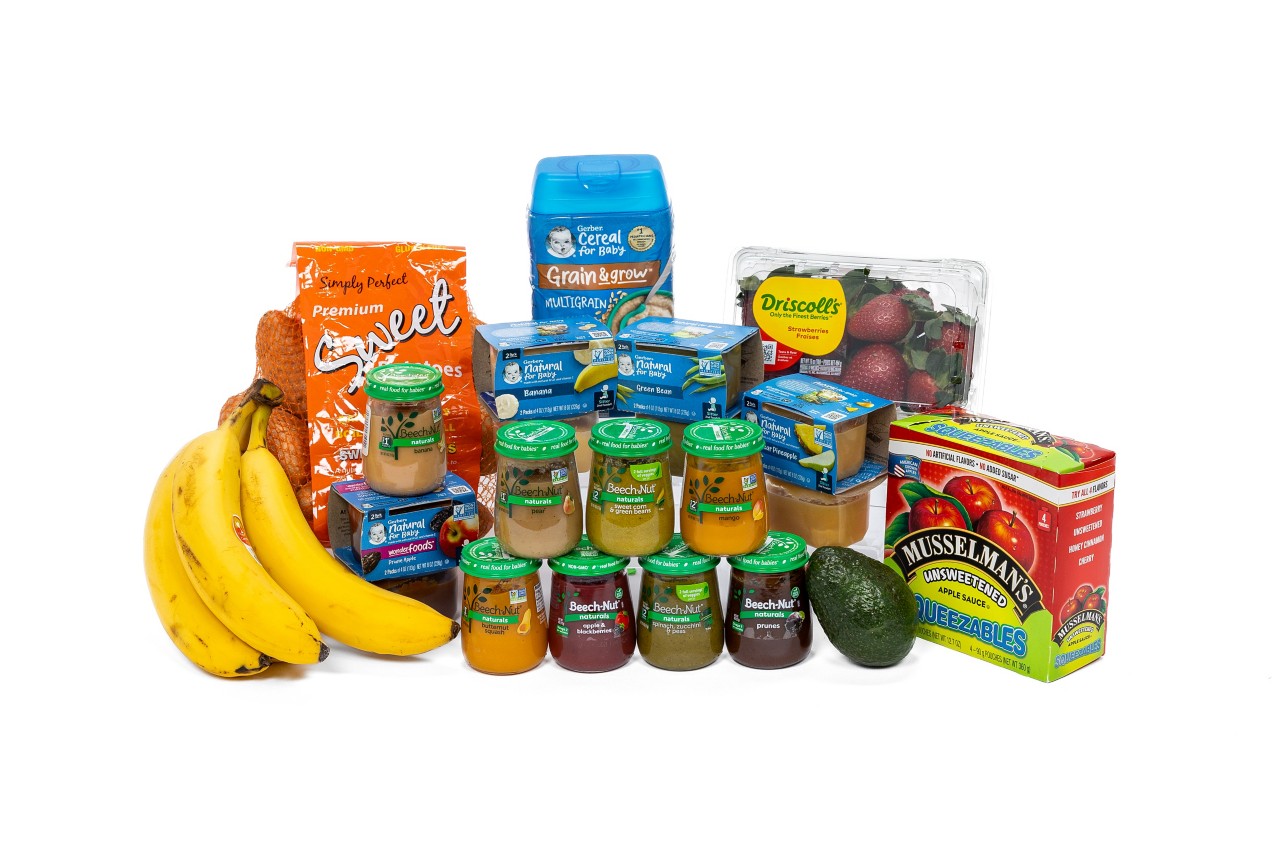
Partially Breastfed and Fully Formula Fed Infants
- 8 ounces infant cereal
- Fruits and Vegetables: either (1) 128 oz infant fruits and vegetables (jars), (2) 64 oz infant fruits and vegetables + $11 cash value benefit*, or (3) $22 cash value benefit*
*Dollar amounts adjusted annually for inflation. To opt in to either cash value benefit option, participants must contact their clinic to discuss their baby's developmental readiness for solids and safe infant feeding practices.
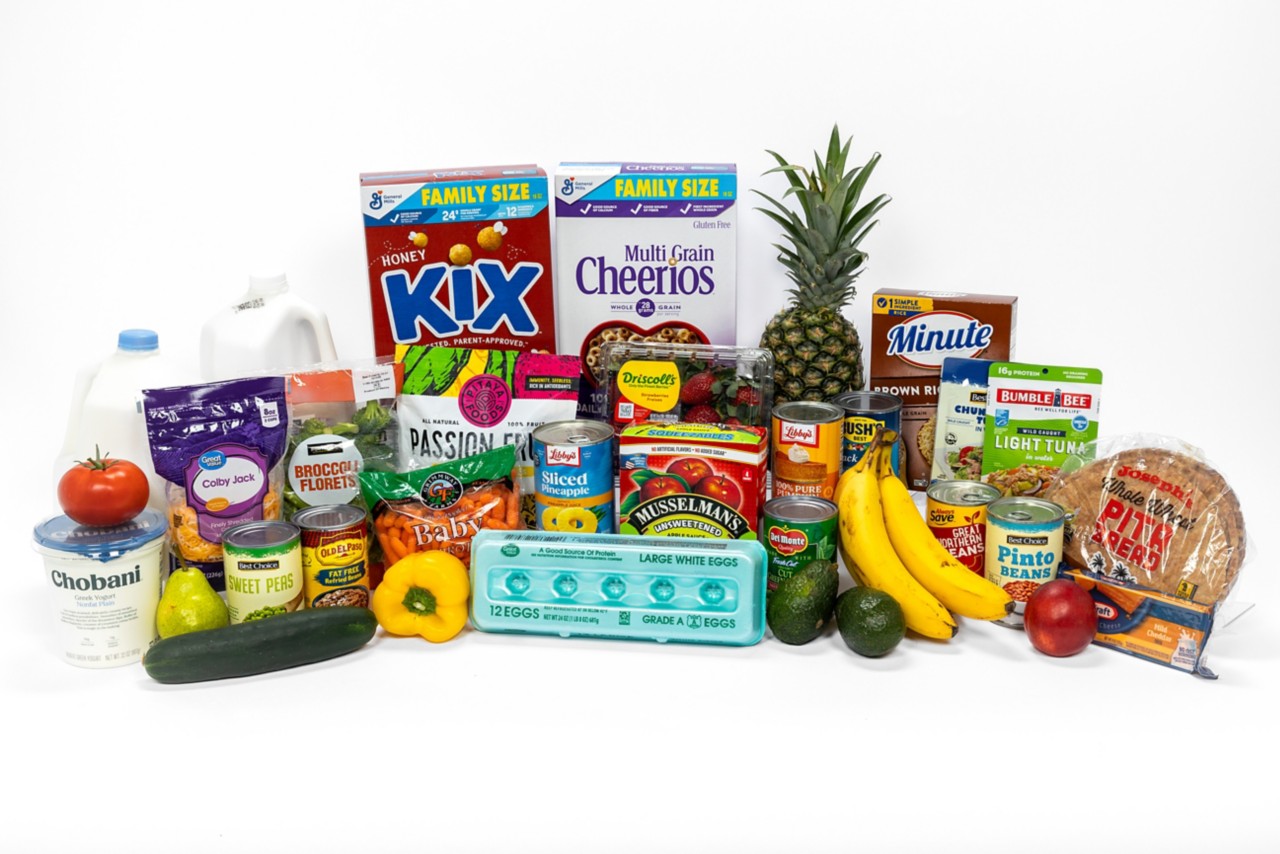
- 1 dozen eggs
- May substitute beans, tofu, peanut butter, or nut/seed butters*
- 36 oz breakfast cereal
- 1 container peanut butter or dry/canned beans or peas
- May substitute alternate nut/seed butters*
- 6 oz canned fish
- 24 oz whole grains
- $29 cash value benefit (for fresh, frozen, and canned fruits/vegetables)
- May substitute 64 oz juice for $3 cash value benefit*
- 16 quarts (4 gallons) whole milk
- May substitute items from "Milk Substitution Options" below*
*Contact your clinic to opt in to substitution options.

- 1 dozen eggs
- May substitute beans, tofu, peanut butter, or nut/seed butters*
- 36 oz breakfast cereal
- 1 container peanut butter or dry/canned beans or peas
- May substitute alternate nut/seed butters*
- 6 oz canned fish
- 24 oz whole grains
- $29 cash value benefit (for fresh, frozen, and canned fruits/vegetables)
- May substitute 64 oz juice for $3 cash value benefit*
- 16 quarts (4 gallons) 1% or skim milk
- May substitute items from "Milk Substitution Options" below*
*Contact your clinic to opt in to substitution options
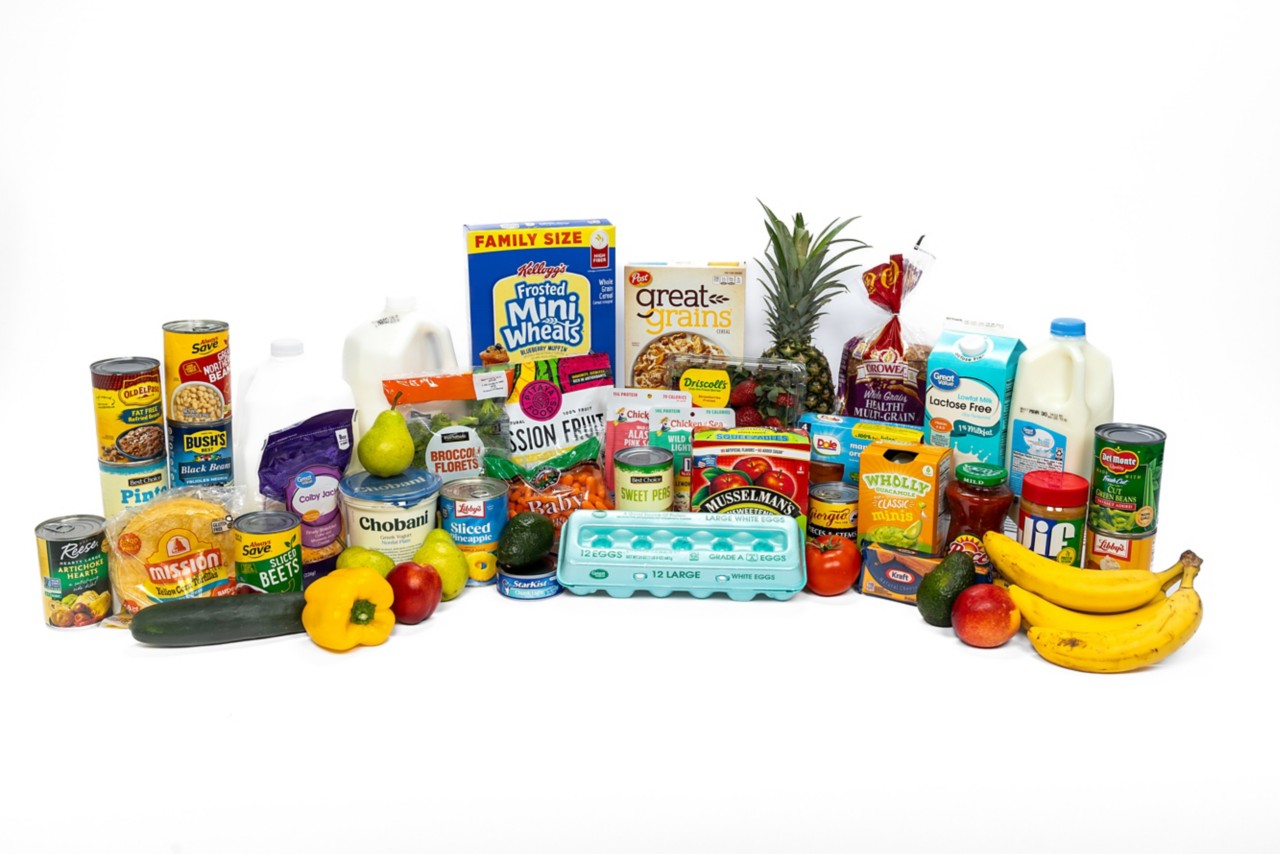
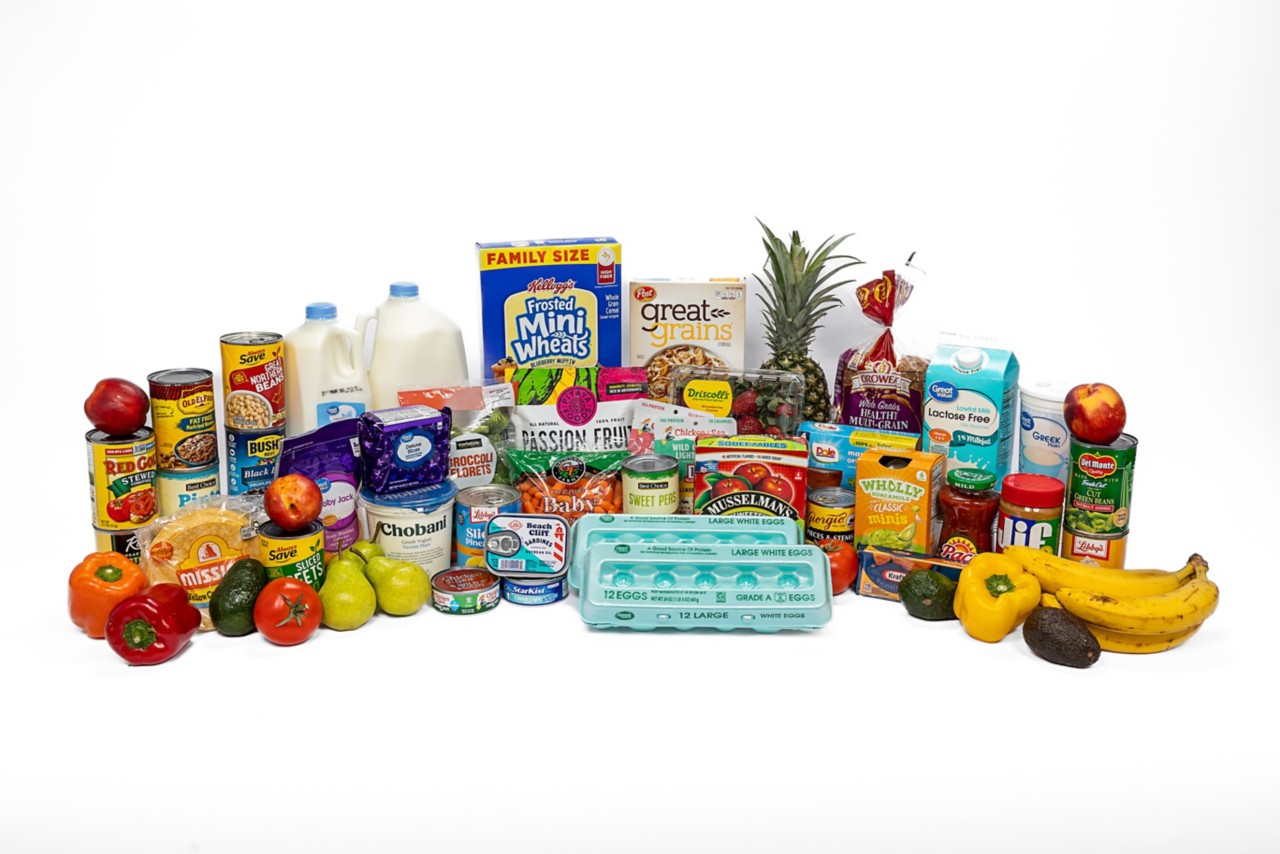
- 1 dozen eggs
- May substitute beans, tofu, peanut butter, or nut/seed butters*
- 36 oz breakfast cereal
- 2 containers peanut butter or dry/canned beans or peas
- May substitute alternate nut/seed butters*
- 10 oz canned fish
- 48 oz whole grains
- $50 cash value benefit (for fresh, frozen, and canned fruits/vegetables)
- May substitute 64 oz juice for $3 cash value benefit*
- 22 quarts (5.5 gallons) 1% or skim milk
- May substitute items from "Milk Substitution Options" below*
*Contact your clinic to opt in to substitution options
Fully Breastfeeding
- 2 dozen eggs
- May substitute beans, tofu, peanut butter, or nut/seed butters*
- 36 oz breakfast cereal
- 2 containers peanut butter or dry/canned beans or peas
- May substitute alternate nut/seed butters*
- 20 oz canned fish
- 48 oz whole grains
- $55 cash value benefit (for fresh, frozen, and canned fruits/vegetables)
- May substitute 64 oz juice for $3 cash value benefit*
- 24 quarts (6 gallons) 1% or skim milk
- May substitute items from "Milk Substitution Options" below*
*Contact your clinic to opt in to substitution options
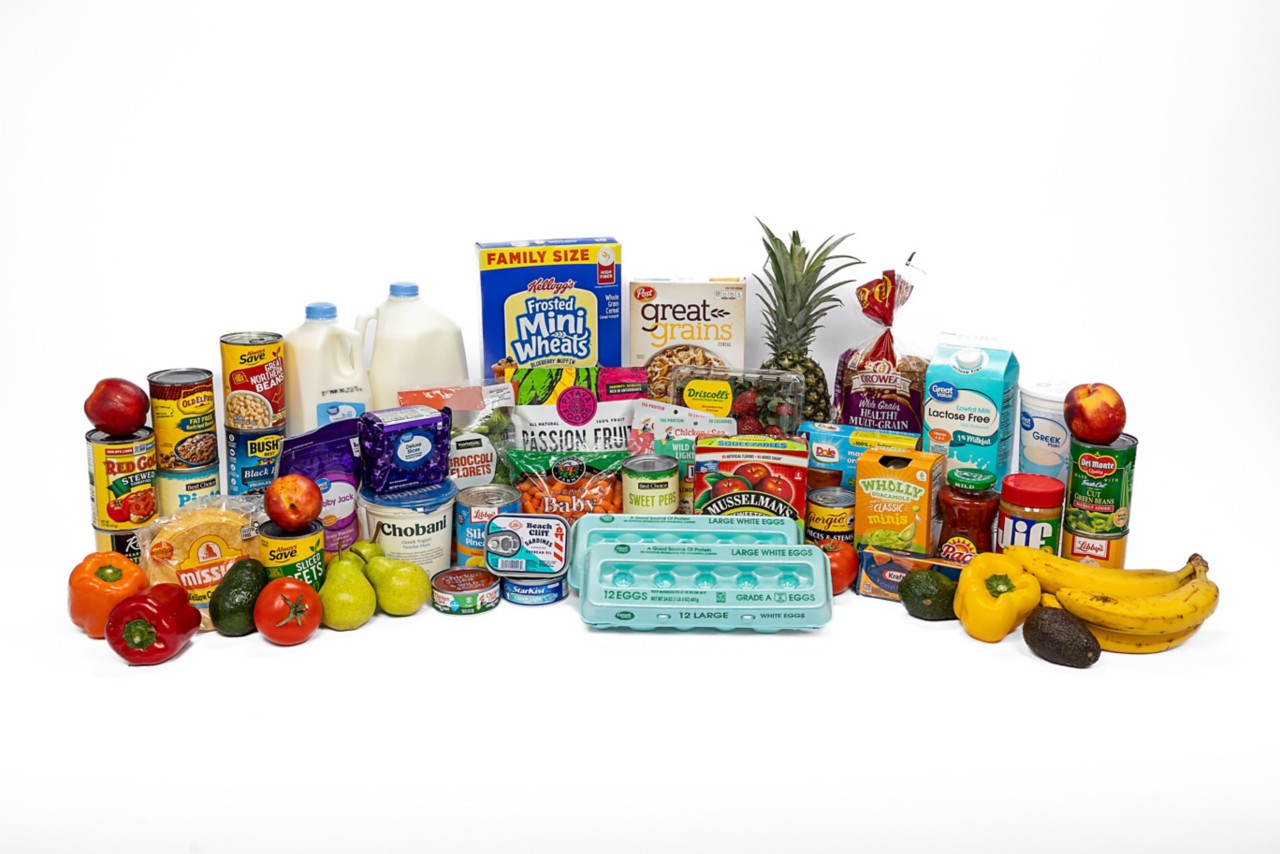
Mostly Breastfeeding
- 1 dozen eggs
- May substitute beans, tofu, peanut butter, or nut/seed butters*
- 36 oz breakfast cereal
- 2 containers peanut butter or dry/canned beans or peas
- May substitute alternate nut/seed butters*
- 15 oz canned fish
- 48 oz whole grains
- $55 cash value benefit (for fresh, frozen, and canned fruits/vegetables)
- May substitute 64 oz juice for $3 cash value benefit*
- 22 quarts (5.5 gallons) 1% or skim milk
- May substitute items from "Milk Substitution Options" below*
*Contact your clinic to opt in to substitution options
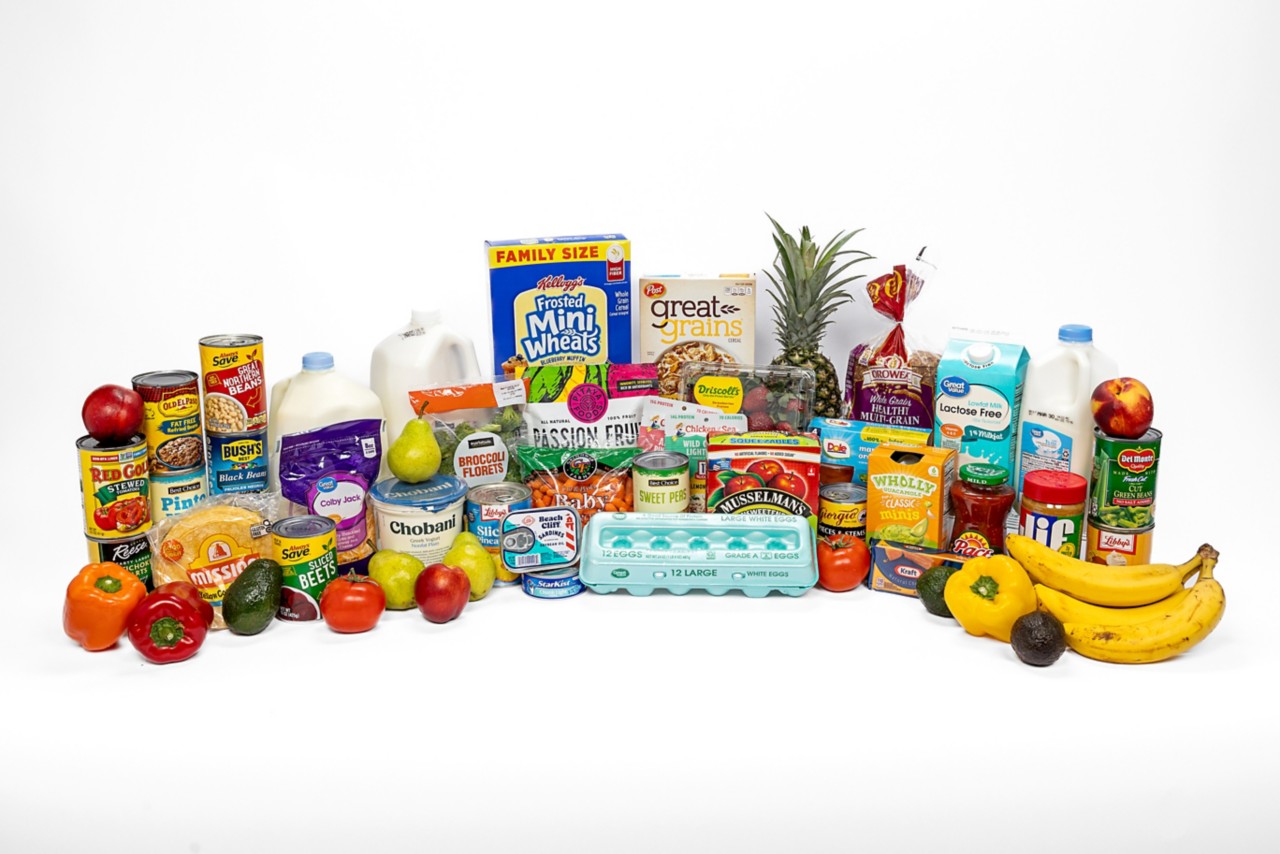
Occasionally Breastfeeding
- 1 dozen eggs
- May substitute beans, tofu, peanut butter, or nut/seed butters*
- 36 oz breakfast cereal
- 1 container peanut butter or dry/canned beans or peas
- May substitute alternate nut/seed butters*
- 10 oz canned fish
- 48 oz whole grains
- $50 cash value benefit (for fresh, frozen, and canned fruits/vegetables)
- May substitute 64 oz juice for $3 cash value benefit*
- 16 quarts (4 gallons) 1% or skim milk
- May substitute items from "Milk Substitution Options" below*
*Contact your clinic to opt in to substitution options
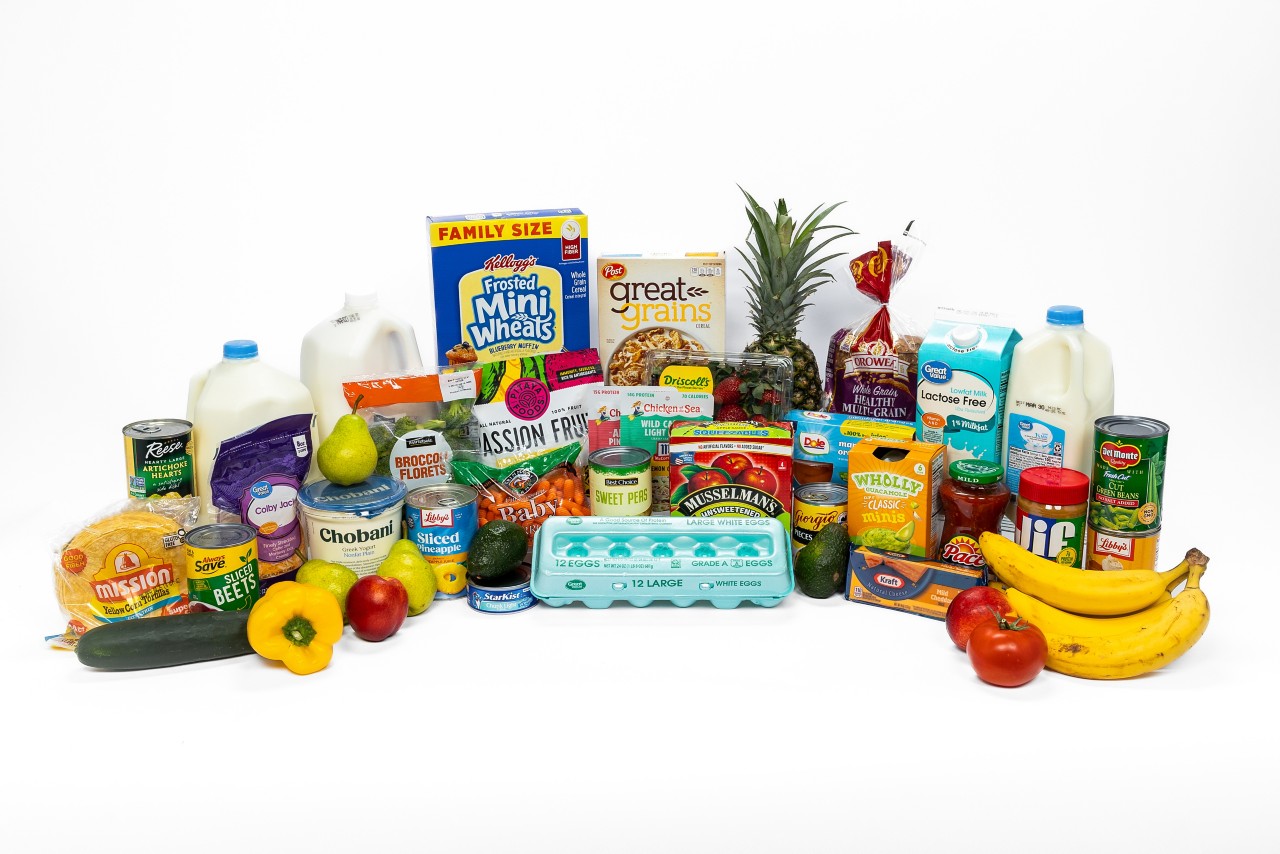
- 1 dozen eggs
- May substitute beans, tofu, peanut butter, or nut/seed butters*
- 36 oz breakfast cereal
- 1 container peanut butter or dry/canned beans or peas
- May substitute alternate nut/seed butters*
- 10 oz canned fish
- 48 oz whole grains
- $50 cash value benefit (for fresh, frozen, and canned fruits/vegetables)
- May substitute 64 oz juice for $3 cash value benefit*
- 16 quarts (4 gallons) 1% or skim milk
- May substitute items from "Milk Substitution Options" below*
*Contact your clinic to opt in to substitution options
To accommodate preference and/or food allergy, participants may choose to substitute the following items for cow's milk:
- 1 lb cheese for 3 quarts milk (up to 1 lb maximum for most categories)
- 1 quart yogurt for 1 quart milk (up to 2 quarts maximum)
- 1 lb tofu for 1 quart milk
- 1 quart soy milk for 1 quart milk
- 1 quart lactose free milk for 1 quart milk
- 1 quart plant-based milk for 1 quart milk (must meet specific nutrient requirements, comparable to cow's milk)
- 1 quart dry milk for 1 quart milk
- 1 quart buttermilk for 1 quart milk (participants over age 2)
- 12 oz can evaporated milk for 1 quart milk
Flavored cow's milk (such as chocolate milk) will no longer be WIC approved
To opt into substitutions for milk, participants will need to contact their WIC clinic.
To accomodate preference and/or food allergy, participants may choose to substitute one of the following options (WIC approved varieties/sizes) in place of each 1 dozen eggs:
- 1 jar peanut butter
- 4 cans of beans
- 1 lb dried beans
- 1 lb tofu
- 1 jar alternate nut and seed butter
To opt into a substitution for eggs, participants will need to contact their WIC clinic.
You may now purchase fresh herbs using your cash value benefit (CVB) for fruits and vegetables! Herbs may be cut at the root or with the root intact. Participants do not need to contact their clinic to purchase herbs with their CVB.
Food Package FAQs
WIC is a federally funded program with food items chosen to supplement the diets of pregnant and postpartum women, and infants and children up to age 5. WIC approved foods aim to fill some of the most common nutrient gaps observed in typical American diets for the categories of participants served.
USDA is required by law to conduct a comprehensive scientific review of the items provided in the WIC food packages at least once every ten years. This review guides program updates, along with current areas of public health concern and cultural practices. Based on this review, USDA published their most recent food package final fule in 2024; WIC agencies have until April 2026 to implement most changes.
Oklahoma WIC does not have the authority to make any food package changes without federal legislation and direct guidance from USDA.
Oklahoma WIC has been phasing in food package changes since January 2025. Between January and May 2025, the following changes were made to WIC food packages:
- Fresh cut herbs are redeemable with cash value benefit funds.
- Alternate nut/seed butters can be substituted for peanut butter or beans (must contact clinic).
- Beginning with their 6 month benefit period, infants can receive jarred infant fruits/vegetables, cash value benefit for fresh/frozen/canned fruits/vegetables, or a combination of both (must contact clinic).
Additional food package changes will be implemented in early 2026 to include:
- Addition of canned fish to all women and child food packages.
- Option to substitute peanut butter, beans, tofu, or alternate nut/seed butters for eggs (must contact clinic).
- Additional $3 cash value benefit for fresh/frozen/canned fruits/vegetables will replace juice as the default benefit for women and child packages.
- Option to receive juice instead of $3 cash value benefit (must contact clinic).
- Option to substitute up to 64 oz yogurt for 2 quarts milk (must contact clinic).
- Whole grain amounts will change for many participant categories.
- Flavored dairy milk no longer allowable on WIC.
Food packages are assigned during the WIC appointment or by contacting the clinic. New benefit packages will be rolled out in early 2026 based on benefit period dates.
As best practice, double-check your balance before going to the store.
You can check your benefit balance on the WIC Shopper App, on wicconnect.com, by calling (866) 562-2702, or by requesting a printed balance inquiry from the cashier at a WIC-approved store.
Use the "Scan Barcode" function on the WIC Shopper App, check out our WIC Approved Food List, or look for the "WIC Approved" tag on store shelves to see if an item is WIC approved.
Canned fish is a nutrient-dense, shelf-stable source of omega-3 fatty acids, protein, and essential vitamins and minerals (like calcium, vitamin D, and vitamin B12) for overall health and development. It was previously only offered to fully breastfeeding women on the WIC program, however will now be available for all women and children on WIC.
Light tuna, salmon, sardines, and mackerel in cans, jars, or pouches are WIC approved.
Participants can now substitute peanut butter, beans, alternate nut/seed butter, or tofu for eggs for special dietary needs, personal preference, or cultural eating practices. To opt in to this substitution, please contact your WIC clinic.
Participants can now substitute alternate nut/seed butter (i.e. almond butter, sunflower seed butter, etc) for peanut butter or beans for special dietary needs, personal preference, or cultural eating practices. To opt in to this substitution, please contact your WIC clinic.
Participants can substitute yogurt, cheese, soy milk, lactose free milk, plant-based milk, tofu, dry milk, evaporated milk, and/or buttermilk for standard dairy milk. To opt in to a substitution, please contact your WIC clinic.
In an effort to curb intake of added sugars, USDA elected to remove chocolate milk as an option in the most recent food package update.
Specific brands and varieties of soy milk, pea-protein based milk, and pea-protein/oatmilk blends can be substituted for cow's milk. To opt in to a substitution, please contact your WIC clinic.
To be eligible for WIC, plant-based milks must have the same nutrition content as cow's milk (calcium, protein, vitamin D, vitamin A, magnesium, phosphorus, potassium, riboflavin, vitamin B12). Very few plant-based milk options are fortified to meet those guidelines. For example, almond milk and rice milk typically only contain about 1 g protein per cup while cow's milk contains 8 g.
It is recommended that whole fruits and vegetables be priortized over juice, particularly for young children.
Under the new food package, WIC agencies have the option to provide an additional $3 cash value benefit for fresh, frozen, and canned fruits and vegetables as the default benefit option instead of juice. Given the superior nutritional value of whole fruits and vegetables over juice, Oklahoma WIC has opted into this as the default benefit.
Participants who wish to receive juice on their benefit packages may elect to substitute $3 cash value benefit for juice. To opt into this substitution, please contact your WIC clinic.
The previous food packages provided about 70 percent of recommended amounts for children but only 13-27 percent of the recommended amounts for women (depending on category). Whole grain amounts in the new WIC food packages were updated to more closely align with the supplemental nature of the program.
In an effort to expand variety, encourage consumption, and accomodate preferences/cultural practices, the following types of foods will be redeemable on the WIC food package for whole grains: whole wheat bread options (including whole wheat pita, English muffins, bagels, and naan), whole grain breads, brown rice, wild rice, whole wheat pasta, oats, soft corn tortillas, whole wheat tortillas, cornmeal (including blue), whole grain barley, bulgur, buckwheat, etc.
Use the "Scan Barcode" function on the WIC Shopper App, check out our WIC Approved Food List, or look for the "WIC Approved" tag on store shelves to see if an item is WIC approved.
After birth, infants usually have enough iron stores to last them through their first 4-6 months of life. As iron stores wear off, infants need to regularly consume iron rich food sources.
Although there is some iron in breastmilk, it is generally not enough for older babies; meats provide a great source of iron, so WIC provides infant meats to fully breastfed babies.
Infant formula is fortified with iron. While it is important for formula fed babies to also consume iron-rich foods, they typically receive adequate iron through formula. Thus infant meats are not supplemented by WIC for babies recieving formula.
Iron fortified infant cereals are also provided beginning at 6 months to all babies receiving WIC.
Individuals with questions should contact their local WIC clinic.
If they are not sure which clinic they use or have additional questions, they can call (405) 426-8500 or email at oklahomawic@health.ok.gov.
- WIC Breastfeeding: Get answers to your breastfeeding questions.
- WIC Formula Information: Get answers to your formula questions.
Contact Information
Mailing Address:
Oklahoma State Department of Health
WIC Service
123 Robert S. Kerr Ave., Suite 1702
Oklahoma City, OK 73102-6406
Physical Address:
Oklahoma State Department of Health
123 Robert S. Kerr Ave.
Oklahoma City, OK
Phone: (405) 426-8500
Toll Free: (888) 655-2942
Fax: (405) 900-7576
This institution is an equal opportunity provider.